
What Is an Office Chair Backrest Adjustment Cable?
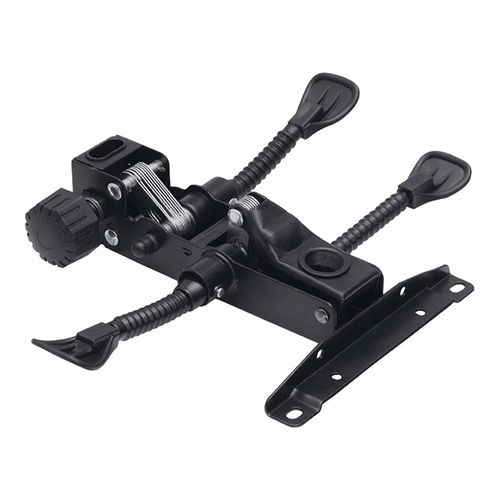
An office chair backrest adjustment cable is a flexible mechanical connection used in some office chair adjustment systems.
The cable connects a user-operated control to a mechanical component that adjusts or locks the backrest.
Depending on the chair design, the cable may connect:
- An adjustment lever to a locking mechanism
- A backrest control to a release mechanism
- A reclining control to an internal mechanism
- A handle to a cable-operated adjustment system
Not every office chair uses a cable. Many chairs use direct mechanical levers instead.
https://primepathsolutions.co.ke/product/office-chair-mechanism/
What Does an Office Chair Backrest Adjustment Cable Do?
The cable’s main purpose is to transfer movement from the control to the mechanism.
1. Transfers lever movement
When you operate the adjustment lever, the cable moves the connected mechanism.
2. Releases the locking mechanism
Some cable-operated systems use the cable to release a backrest lock.
3. Allows backrest adjustment
Once the mechanism is released, the backrest can be moved into the desired position.
4. Connects separated components
A cable allows the control and mechanism to be positioned apart from each other while still operating together.
5. Supports convenient chair operation
A properly functioning cable allows the user to adjust the backrest without directly accessing the internal mechanism.
What Are the Signs of a Damaged Backrest Adjustment Cable?
A faulty cable can produce several noticeable symptoms.
Common signs include:
- The adjustment lever moves but the backrest does not respond
- The lever feels unusually loose
- The cable has snapped
- The cable has become disconnected
- The cable appears stretched
- The adjustment works intermittently
- The backrest will not release
- The backrest will not lock
- The lever travels farther than normal
- The cable housing is damaged
These symptoms can also be caused by problems elsewhere in the adjustment mechanism.
For this reason, inspect the cable and its connection points before ordering a replacement.
Why Do Office Chair Backrest Adjustment Cables Fail?
Several issues can cause an adjustment cable to stop working correctly.
Repeated use
Frequent adjustment puts repeated movement through the cable and its connection points.
Stretching
A cable can become less effective if it stretches or develops excessive slack.
Broken cable
Physical damage can cause the cable to snap completely.
Disconnection
A cable may come loose from the lever or mechanism.
Damaged housing
If the outer cable housing becomes damaged, the cable may not move correctly.
Incorrect installation
A poorly routed or incorrectly installed cable may bind or operate inefficiently.
Mechanical failure
The cable may be functioning correctly while the connected mechanism has failed.
Can You Replace an Office Chair Backrest Adjustment Cable?
Yes, a damaged office chair backrest adjustment cable can often be replaced if the chair uses a cable-operated adjustment system.
The replacement should match the original cable’s:
- Length
- End fittings
- Housing design
- Connection method
- Routing requirements
- Adjustment mechanism
A cable that looks similar may still be incompatible if its ends or dimensions differ.
How Do You Choose the Right Replacement Cable?
Choosing the correct cable is important because the cable must move correctly between the control and mechanism.
1. Measure the cable
Compare the overall length with the existing cable.
2. Check the cable ends
Inspect how each end connects to the lever and mechanism.
3. Check the housing
The outer housing must be suitable for the chair’s cable system.
4. Check the routing
The replacement must be able to follow the same path without excessive bends.
5. Identify the chair mechanism
Different adjustment mechanisms can use different cable designs.
6. Compare the original part
Keep the old cable available when identifying the replacement.
7. Check the chair model
If available, use the chair model or mechanism identification when sourcing the part.
How Do You Replace an Office Chair Backrest Adjustment Cable?
The exact procedure varies between chair designs, but the general process involves several steps.
Step 1: Identify the cable
Confirm that the cable is actually damaged or disconnected.
Step 2: Access the adjustment system
Position the chair safely so you can access the cable and its connection points.
Step 3: Photograph the cable routing
Before removing the old cable, note how it travels between the control and mechanism.
Step 4: Disconnect the old cable
Carefully release both ends from their attachment points.
Step 5: Remove the cable
Follow its original route and remove it from any clips or guides.
Step 6: Install the new cable
Route the replacement along the same path.
Step 7: Connect both ends
Secure the cable to the adjustment control and mechanism.
Step 8: Test the adjustment
Operate the control and check whether the backrest responds correctly.
Step 9: Check cable movement
Make sure the cable does not bind, kink, or rub against moving components.
Safety note: Keep your fingers away from moving springs, locking components, and pinch points during testing. Do not force a mechanism that appears to be under excessive tension.
Why Is Cable Routing Important?
Cable routing can affect whether the adjustment system works correctly.
A poorly routed cable may:
- Develop excessive friction
- Bend sharply
- Become trapped
- Fail to provide sufficient movement
- Wear against another component
- Prevent the mechanism from fully releasing
When installing a replacement cable, follow the original routing as closely as possible.
What If the Replacement Cable Still Does Not Work?
If the new cable is correctly installed but the backrest still does not adjust, the problem may be elsewhere.
Inspect:
- The adjustment lever
- Cable connection points
- Locking mechanism
- Springs
- Backrest hinge
- Adjustment mechanism
- Mounting brackets
A replacement cable cannot correct a damaged internal mechanism.
Office Chair Backrest Adjustment Cable vs Adjustment Lever
These components perform different roles.
| Component | Main Function |
|---|---|
| Adjustment lever | User-operated control |
| Adjustment cable | Transfers movement from the control |
| Adjustment mechanism | Performs the actual adjustment or locking |
| Backrest hinge | Allows the backrest to pivot |
The cable acts as the connection between the control and the mechanism in chairs that use cable-operated systems.
Office Chair Backrest Adjustment Cable vs Gas Lift Cable
These should not automatically be treated as the same component.
A gas lift cable is associated with height adjustment systems on certain chair designs, while a backrest adjustment cable operates a backrest-related mechanism.
Before ordering a cable, identify the specific function it performs on the chair.
Can a Stretched Cable Be Repaired?
A stretched cable may sometimes appear to work after adjustment, but replacement is generally preferable when the cable has lost its proper operating range.
Replacement is particularly appropriate when:
- The cable has snapped
- The cable has excessive slack
- The cable housing is damaged
- The cable repeatedly disconnects
- The adjustment mechanism cannot fully engage
- The cable has visible physical damage
If the cable itself is intact, inspect its attachment points before replacing it.
Why Is a Functional Backrest Adjustment Cable Important?
A properly working cable helps ensure that the adjustment control operates the mechanism as intended.
It can make the chair easier to:
- Recline
- Adjust
- Lock
- Release
- Configure for different users
A small cable failure can therefore make an otherwise usable office chair difficult to adjust.
Office Chair Backrest Adjustment Cables for Home Offices
A home office chair may be used for many hours every day.
If the backrest suddenly stops responding to its adjustment control, checking the cable is a useful troubleshooting step when the chair uses a cable-operated system.
Replacing a damaged cable can restore the adjustment function without requiring replacement of the entire chair.
Office Chair Backrest Adjustment Cables for Commercial Offices
Commercial office chairs experience repeated adjustment throughout the working day.
A damaged cable can affect employees who rely on adjustable backrests for comfortable working positions.
For businesses managing several chairs, identifying whether the problem is the cable, lever, or complete mechanism can help avoid unnecessary replacement of functional components.
How to Maintain an Office Chair Backrest Adjustment Cable
Proper maintenance can help reduce premature wear.
Avoid excessive force
Operate the adjustment control smoothly.
Keep the cable route clear
Make sure the cable does not become trapped under other chair components.
Avoid sharp bends
Excessive bending can interfere with cable movement.
Inspect connection points
Check whether the cable remains securely attached.
Address loose controls early
A loose lever may cause abnormal movement through the cable.
Keep the mechanism clean
Dust and debris around moving parts can increase resistance.
Why Buy Office Chair Replacement Parts From PrimePath Solutions?
PrimePath Solutions provides office furniture and related products for customers in Kenya.
When sourcing an office chair backrest adjustment cable, identify the existing cable and chair mechanism before purchasing.
Important details include the cable length, end fittings, housing, routing, and connection method.
Choosing a compatible replacement can help restore the chair’s adjustment function while avoiding unnecessary replacement of the entire chair.
For offices, businesses, and home users in Kenya, accurate identification of the damaged component is an important part of finding the right office chair replacement part.
Frequently Asked Questions
What is an office chair backrest adjustment cable?
It is a flexible mechanical cable that transfers movement from an adjustment control to a backrest adjustment or locking mechanism.
Do all office chairs use backrest adjustment cables?
No. Some chairs use direct mechanical levers or integrated mechanisms instead of cables.
How do I know if my chair cable is broken?
If the lever moves but the backrest does not respond, or if the cable is visibly snapped, disconnected, or excessively loose, the cable may need inspection or replacement.
Can I replace the cable myself?
Some cable systems can be replaced with basic mechanical skills, but the procedure depends on the chair design.
Are office chair adjustment cables universal?
No. Cable lengths, end fittings, housings, and connection methods can differ between chair mechanisms.
Can a new cable fix a backrest that will not lock?
It can if the original cable is damaged or disconnected. If the locking mechanism itself is faulty, replacing the cable alone may not solve the problem.
How important is cable length?
Cable length is important because the cable must reach both connection points while following the correct route without excessive slack or tension.
What should I check before buying a replacement cable?
Check the cable length, end fittings, housing, routing, chair mechanism, and connection points.
Conclusion
An office chair backrest adjustment cable transfers movement from an adjustment control to the backrest mechanism on chairs that use cable-operated systems. When the cable breaks, stretches, disconnects, or becomes damaged, the backrest may stop adjusting or locking correctly.
Before replacing the cable, inspect the lever, connection points, routing, and mechanism to confirm the source of the problem. Choosing a replacement with the correct length, fittings, housing, and compatibility can help restore the chair’s adjustment function and extend its useful life.
0 Comments