
Office Chair Backrest Return Spring: What Does It Do and When Should You Replace It?
An office chair backrest return spring is a spring component that provides restoring force within certain backrest adjustment systems, helping the backrest or related mechanism return toward its normal position after pressure or adjustment.
The exact function depends on the chair’s design. Some springs assist backrest movement, while others maintain mechanical tension or help return a lever or locking component.
Because springs work together with other mechanical parts, a damaged spring can affect how smoothly and securely the backrest operates.
https://primepathsolutions.co.ke/shop/?product-page=4
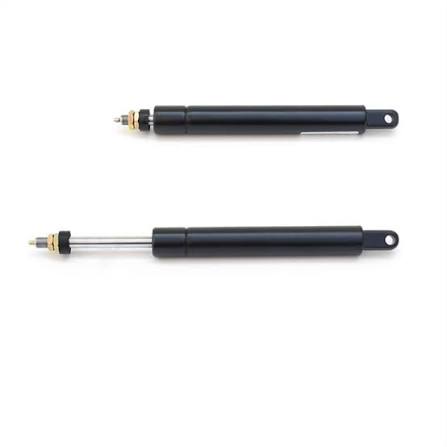
What Is an Office Chair Backrest Return Spring?
An office chair backrest return spring is a coiled or tensioned spring fitted inside or around a backrest adjustment or support assembly.
When the backrest moves, the spring can store mechanical energy. It then releases that energy to help return the relevant component toward its original position.
Different chairs use different spring designs, so a replacement must match the original mechanism.
Not every office chair has a separately replaceable backrest return spring.
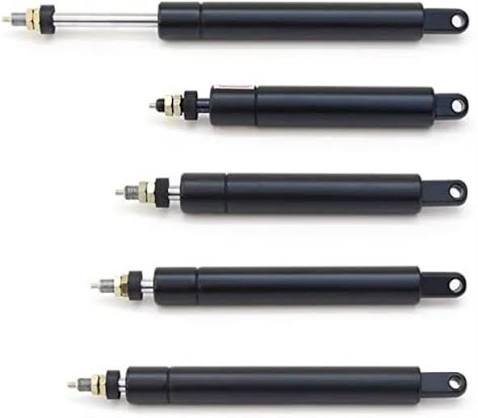
What Does a Backrest Return Spring Do?
Depending on the chair mechanism, the spring may perform several functions.
1. Helps return the backrest
The spring can help the backrest move toward its normal position after the user releases pressure.
2. Provides restoring force
It can provide the force needed to return a moving component after adjustment.
3. Supports smooth movement
A properly functioning spring can contribute to controlled movement within the backrest mechanism.
4. Helps operate adjustment components
Some springs work with levers, pins, locking components, or adjustment mechanisms.
5. Maintains mechanical tension
The spring can keep certain components under the required tension while the mechanism is operating.
What Are the Signs of a Damaged Backrest Return Spring?
A failed or weakened spring can produce several noticeable symptoms.
Common signs include:
- The backrest does not return properly.
- The backrest remains tilted after pressure is released.
- The adjustment mechanism feels unusually loose.
- A lever does not return to its normal position.
- The backrest movement feels different from before.
- You hear a loose spring rattling inside the mechanism.
- The spring appears stretched, bent, broken, or displaced.
- The mechanism operates inconsistently.
- The backrest requires unusual force to return.
- The adjustment system does not maintain its intended tension.
These symptoms do not always mean the spring itself has failed. A damaged hinge, locking mechanism, bracket, pin, or other component can produce similar problems.
What Causes an Office Chair Backrest Return Spring to Fail?
Several factors can contribute to spring failure.
Long-term use
Repeated compression, extension, or tension can eventually reduce a spring’s performance.
Excessive force
Forcing the backrest beyond its intended movement can place excessive stress on the spring.
Incorrect assembly
A spring installed in the wrong position can become overstretched or improperly loaded.
Corrosion
Moisture and unsuitable storage conditions can cause metal springs to corrode.
Mechanical wear
Other damaged components can place abnormal loads on the spring.
Physical damage
A spring can become bent, stretched, or broken after impact or improper handling.
Overloading the mechanism
Excessive force on the backrest can increase stress throughout the adjustment assembly.
Can an Office Chair Backrest Return Spring Be Replaced?
Yes, some office chair backrest return springs can be replaced separately.
However, replacement depends on the design of the chair.
Before buying a spring, inspect the complete backrest mechanism. If the spring has failed because another component is damaged, installing a new spring alone may not solve the problem.
For example, a damaged hinge or locking mechanism could continue to place excessive stress on a new spring.
How Do You Choose the Right Backrest Return Spring?
Choosing the correct spring is important because springs are designed to operate within specific mechanical systems.
Consider the following:
1. Spring dimensions
Compare the original spring’s overall length, diameter, and wire size where relevant.
2. Spring type
Determine whether the chair uses a compression spring, extension spring, torsion spring, or another design.
3. End configuration
Some springs have hooks, loops, legs, or other attachment points.
4. Mounting position
The replacement must fit correctly into the original mounting locations.
5. Required tension
The spring should provide the appropriate restoring force for the mechanism.
6. Chair mechanism
A spring that looks similar may not work correctly if it was designed for a different chair mechanism.
7. Original component
If possible, compare the replacement with the old spring before installation.
How Do You Replace an Office Chair Backrest Return Spring?
The replacement process varies depending on the chair.
Some springs are easy to access, while others are located inside a mechanism that should be serviced by someone familiar with office chair repairs.
A general procedure is:
Step 1: Identify the spring
Locate the spring and determine how it connects to the backrest mechanism.
Step 2: Make the chair safe
Place the chair on a stable surface and remove pressure from the backrest.
Step 3: Inspect the mechanism
Check whether the spring is actually the cause of the problem.
Step 4: Document the original position
Before removing the spring, note its orientation and attachment points.
A photograph can help you remember the original installation.
Step 5: Release stored tension carefully
Some springs can store significant mechanical energy.
Do not pull, cut, or release a highly tensioned spring without understanding how the mechanism works.
Step 6: Remove the old spring
Detach it from its mounting points using the appropriate method for the chair design.
Step 7: Compare the replacement
Confirm that the new spring matches the original size, type, orientation, and attachment points.
Step 8: Install the replacement
Fit the spring into the correct mounting positions.
Step 9: Reassemble the mechanism
Secure any covers, brackets, pins, or fasteners that were removed.
Step 10: Test the backrest
Operate the adjustment system carefully and check whether the backrest returns and moves correctly.
Safety Warning When Replacing a Backrest Spring
Use extra caution when working with springs.
A spring under tension can release suddenly if it is removed incorrectly. This can cause injury or damage surrounding components.
Do not stretch, cut, bend, or modify a replacement spring simply to make it fit.
If the spring is located inside a complex reclining or backrest mechanism, professional repair may be safer than attempting to dismantle the assembly without the correct tools or knowledge.
Why Is My Office Chair Backrest Not Returning?
A backrest that does not return properly can have several causes.
Possible problems include:
- A broken return spring
- A stretched or weakened spring
- A damaged hinge
- A faulty adjustment mechanism
- A bent bracket
- A damaged locking component
- Loose hardware
- Dirt or debris interfering with movement
Inspect the complete assembly before purchasing a replacement spring.
Backrest Return Spring vs Backrest Tension Control
These components are related but are not necessarily the same thing.
A backrest return spring is a physical spring that provides restoring force within a particular mechanism.
A backrest tension control is a control system or adjustment feature that allows the user to alter the resistance or tension of backrest movement.
Some chairs may use a spring as part of their tension system, but a return spring should not automatically be treated as a complete tension-control mechanism.
Backrest Return Spring vs Backrest Hinge
A backrest hinge allows controlled movement between connected components.
A return spring provides restoring force that can assist that movement.
The two components can work together, but they have different functions.
| Component | Main function |
|---|---|
| Backrest return spring | Provides restoring force |
| Backrest hinge | Allows controlled movement |
| Backrest locking pin | Helps secure a selected position |
| Backrest adjustment lever | Operates an adjustment or locking system |
| Backrest adjustment mechanism | Controls backrest positioning |
Why Is the Backrest Return Spring Important?
The spring can contribute to the normal operation of the backrest system.
A properly functioning spring can help:
- Return the backrest after movement
- Maintain appropriate mechanical tension
- Support smoother adjustment
- Reduce unnecessary movement
- Keep connected components working together correctly
A small spring may therefore have an important role within a larger office chair mechanism.
Can You Repair a Broken Backrest Return Spring?
In most cases, replacing the damaged spring is preferable to trying to repair it.
Cutting a spring shorter, stretching it manually, bending its ends, or combining it with another spring can change its mechanical characteristics.
A properly matched replacement is generally a better solution.
If the spring is part of an integrated mechanism and cannot be purchased separately, replacing the relevant mechanism may be necessary.
Office Chair Backrest Return Springs for Home Offices
A home office chair can develop spring problems through regular daily use.
Pay attention if the backrest:
- Stops returning normally
- Feels unusually loose
- Moves differently from before
- Makes unusual noises
- Requires excessive force to operate
Addressing the problem early can help prevent additional wear on the surrounding mechanism.
Office Chair Backrest Return Springs for Commercial Offices
Commercial office chairs can experience frequent adjustment throughout the working day.
A weak or broken spring can affect several chairs if the same chair mechanism is used throughout an office.
For businesses in Kenya, identifying the correct replacement spring or complete mechanism can make chair maintenance more efficient.
How to Maintain an Office Chair Backrest Spring and Mechanism
Regular maintenance can help reduce unnecessary mechanical stress.
Avoid forcing the backrest
Use the adjustment system as intended.
Check unusual movement
Investigate changes in backrest operation before they become larger problems.
Inspect visible hardware
Loose bolts and damaged brackets can affect spring performance.
Keep accessible mechanisms clean
Remove accumulated dust and debris where appropriate.
Avoid excessive loads
Use the chair within its intended design and capacity.
Do not modify springs
Avoid bending or stretching springs to compensate for incorrect fitting.
Buy Office Chair Backrest Return Springs in Kenya from PrimePath Solutions
If you need an office chair backrest return spring in Kenya, identify the exact spring or mechanism before placing an order. Springs that look similar can have different dimensions, attachment points, and tension characteristics.
PrimePath Solutions can be contacted when sourcing office chair replacement parts in Kenya. To make identification easier, provide the chair model if available and clear photographs showing the spring, backrest mechanism, and mounting points.
You can also provide measurements of the original spring where possible, including its length, diameter, and other relevant dimensions.
Looking for an office chair backrest spring in Kenya?
Contact PrimePath Solutions with photos and details of your existing chair part before buying. This can help determine whether you need a replacement return spring or a larger backrest mechanism.
If the spring is no longer available separately, ask about the appropriate replacement assembly for your chair.
Whether you are repairing one office chair at home or maintaining several chairs in a Kenyan office, identifying the correct replacement part first can help reduce unnecessary purchases and avoid fitting problems.
Need an office chair replacement part in Kenya? Start with the damaged component, confirm the correct specification, and contact PrimePath Solutions for the appropriate replacement option.
Frequently Asked Questions
What is an office chair backrest return spring?
An office chair backrest return spring is a spring used in certain backrest mechanisms to provide restoring force and help return the backrest or another connected component toward its normal position.
Do all office chairs have a backrest return spring?
No. Office chairs use different backrest mechanisms. Some use springs, while others use different systems or integrated mechanisms.
How do I know if my backrest spring is broken?
The backrest may fail to return properly, feel unusually loose, make unusual noises, or operate differently. A visual inspection may also reveal a broken, stretched, bent, or displaced spring.
Can I replace the spring myself?
It depends on the chair design and the spring’s location. Simple, accessible springs may be replaceable, but springs under significant tension or located inside complex mechanisms require extra caution.
Can I stretch a spring to make it work?
It is not recommended. Stretching or modifying a spring can change its mechanical properties and may cause the mechanism to operate incorrectly.
Is a backrest return spring the same as a tension control?
No. A return spring is a physical spring that provides restoring force. A tension control is an adjustment system that changes resistance or tension. Some chair mechanisms may use a spring as part of the tension system.
Why does my chair backrest lean back and not return?
A weak or broken return spring may be responsible, but the problem could also involve the hinge, adjustment mechanism, locking components, or other damaged hardware.
How do I identify the correct replacement spring?
Compare the original spring’s type, dimensions, attachment points, orientation, and position within the mechanism. Clear photographs and chair details can also help identify the correct replacement.
Can a broken spring damage other chair parts?
A failed spring can change how forces are distributed within the mechanism. Continued use of a malfunctioning system may contribute to additional wear on surrounding components.
Where can I buy an office chair backrest return spring in Kenya?
You can contact PrimePath Solutions with the chair model, measurements, and clear photos of the original spring and mechanism to help identify the appropriate replacement part.
Conclusion
An office chair backrest return spring provides restoring force within certain backrest adjustment systems and can help the backrest or connected components return toward their normal position.
If the spring becomes broken, stretched, bent, or weakened, inspect the complete mechanism before purchasing a replacement. The correct spring should match the original design, dimensions, attachment points, and mechanical requirements.
If you need an office chair backrest return spring in Kenya, contact PrimePath Solutions with clear photos, measurements, and chair details. Identifying the correct component before buying can help prevent fitting problems and unnecessary replacement costs.
0 Comments