
What Is an Office Chair Armrest Adjustment Mechanism?
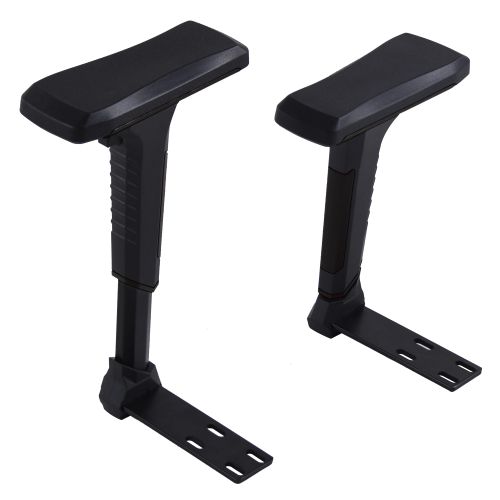
An office chair armrest adjustment mechanism is the component or group of components that controls how an adjustable armrest moves and locks into position.
Depending on the chair design, it may allow the armrest to adjust:
- Up and down
- Forward and backward
- Side to side
- At different angles
- Into predetermined locking positions
Some mechanisms use a button, lever, spring-loaded pin, locking teeth, or another type of adjustment system.
The exact design varies between office chair models.
https://primepathsolutions.co.ke/shop/?product-page=4
What Does an Armrest Adjustment Mechanism Do?
The mechanism provides controlled movement and positioning for the armrest.
1. Allows Height Adjustment
Many ergonomic office chairs allow the user to raise or lower the armrests.
2. Locks the Armrest
The mechanism prevents the armrest from moving freely after the desired position has been selected.
3. Supports Ergonomic Positioning
Proper armrest positioning can help users position their arms more comfortably while working.
4. Controls Armrest Movement
Some mechanisms allow multiple directions of adjustment depending on the chair design.
5. Connects With Other Armrest Components
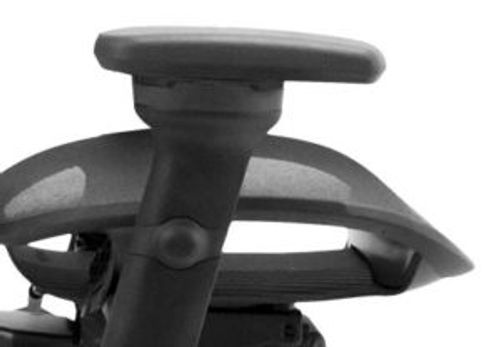
The adjustment mechanism may work together with the armrest pad, vertical support, bracket, spring, lever, or locking components.
What Are the Signs of a Damaged Armrest Adjustment Mechanism?
A failing mechanism can produce several noticeable symptoms.
The Armrest Keeps Sliding Down
If the armrest cannot maintain its height, the locking mechanism may be worn or damaged.
The Adjustment Button Does Not Work
A damaged button or internal mechanism may prevent the armrest from moving.
The Armrest Will Not Lock
The armrest may move freely instead of staying at the selected position.
The Armrest Gets Stuck
A damaged or misaligned mechanism can prevent normal adjustment.
Excessive Wobbling
Worn internal components can create unwanted movement.
Clicking Without Adjustment
You may hear the mechanism clicking without the armrest moving correctly.
Adjustment Works Intermittently
A mechanism that works sometimes and fails at other times may have worn or misaligned internal components.
What Causes an Armrest Adjustment Mechanism to Fail?
Several factors can contribute to mechanism failure.
Frequent Adjustment
Repeated movement creates normal mechanical wear over time.
Excessive Force
Forcing the armrest beyond its intended adjustment range can damage internal components.
Loose Fasteners
Loose screws and bolts can allow the mechanism to shift out of alignment.
Impact
A chair falling over or an armrest hitting a hard surface can damage the adjustment system.
Dirt and Debris
Debris around moving components can interfere with smooth operation.
General Wear
Older mechanisms can eventually develop worn locking surfaces, springs, pins, or other internal components.
Can an Office Chair Armrest Adjustment Mechanism Be Replaced?
Yes, some office chairs use replaceable armrest adjustment mechanisms.
However, not every chair uses the same mechanism. Some manufacturers integrate the adjustment system into the complete armrest assembly.
Before purchasing a replacement, determine whether the damaged mechanism is available as an individual spare part.
How Do You Choose the Correct Replacement Mechanism?
Correct identification is important because similar-looking mechanisms may not fit the same chair.
Check the Chair Model
Look for a model number, product label, or manufacturer information.
Examine the Existing Mechanism
Take clear photos before removing the component.
Check the Mounting Points
Compare the screw holes, mounting positions, and connection points.
Check the Adjustment Method
Determine whether your chair uses:
- A push button
- A lever
- A locking pin
- A spring-loaded system
- Another locking arrangement
Check the Dimensions
Measure the relevant mounting and connection points where possible.
Check Compatibility
The replacement should be designed for the same type of armrest assembly or have confirmed compatible dimensions.
How Do You Replace an Office Chair Armrest Adjustment Mechanism?
The replacement process varies by chair design, but the general procedure is as follows.
Step 1: Stabilize the Chair
Place the chair on a stable surface and make sure it cannot roll unexpectedly.
Step 2: Identify the Adjustment Assembly
Locate the mechanism controlling the armrest movement.
Step 3: Remove the Armrest if Necessary
Some designs require the armrest to be separated from its support before the mechanism can be accessed.
Step 4: Remove the Fasteners
Use the correct screwdriver, Allen key, socket, or other suitable tool.
Step 5: Disconnect the Old Mechanism
Carefully remove the damaged mechanism.
Pay attention to the position of springs, pins, buttons, or other small components.
Step 6: Compare the Replacement
Check the new mechanism against the old component before installing it.
Confirm the mounting holes and operating components are correctly positioned.
Step 7: Install the New Mechanism
Fit the mechanism into the correct position and reinstall the required hardware.
Step 8: Reassemble the Armrest
Reconnect the armrest and any other components removed during the repair.
Step 9: Test the Adjustment
Move the armrest through its intended adjustment range.
Confirm that it moves correctly and locks securely.
Safety Warnings During Replacement
Use caution when working on adjustable armrest mechanisms because small springs and locking components can move unexpectedly.
- Support the armrest during disassembly.
- Do not force a stuck mechanism.
- Keep fingers away from pinch points.
- Use the correct tools.
- Do not install a mechanism that does not fit securely.
- Replace damaged fasteners when necessary.
- Do not test the armrest by putting your full body weight on it.
- Stop using the chair if the armrest cannot lock securely.
If the chair frame or armrest mounting structure is cracked, inspect the entire assembly before returning the chair to service.
Why Is My Armrest Still Not Working After Replacing the Mechanism?
Replacing the adjustment mechanism may not solve the problem if another component is damaged.
| Possible Problem | Possible Result |
|---|---|
| Damaged adjustment mechanism | Armrest will not move or lock |
| Broken adjustment button | Mechanism cannot be released |
| Weak or broken spring | Poor locking or return action |
| Damaged locking pin | Armrest slips from position |
| Loose screws | Armrest movement |
| Damaged bracket | Unstable armrest |
| Worn mounting points | Poor fit |
| Incorrect replacement | Mechanism does not operate correctly |
Inspect the complete armrest assembly instead of assuming the adjustment mechanism is the only problem.
Armrest Adjustment Mechanism vs Armrest Support Bracket
These components have different primary functions.
An armrest adjustment mechanism controls movement and positioning.
An armrest support bracket provides structural support and connects the armrest assembly to the chair.
A chair can therefore have a good bracket but a damaged adjustment mechanism, or a functioning mechanism attached to a damaged bracket.
Armrest Adjustment Mechanism vs Adjustment Lever
An adjustment lever is normally the part the user operates.
The adjustment mechanism is the larger functional assembly that converts the user’s action into movement or release of the armrest.
Some chair designs combine these components, while others use a separate lever.
Why Is an Armrest Adjustment Mechanism Important?
A functioning adjustment mechanism helps the user position the armrests according to the chair’s design.
It can contribute to:
- Adjustable arm support
- Better positioning
- Stable armrest height
- Comfortable workstation setup
- Proper use of ergonomic chair features
- Longer service life of the chair
A failed mechanism can make an otherwise functional office chair difficult to use.
Office Chair Armrest Adjustment Mechanisms for Home Offices
Home office users may adjust their chair frequently to find a comfortable working position.
If the armrest keeps dropping or refuses to lock, inspect the adjustment mechanism rather than immediately replacing the complete chair.
This can be particularly useful when the seat, backrest, gas lift, and other major components remain in good condition.
Office Chair Armrest Adjustment Mechanisms for Commercial Offices
Commercial office chairs experience frequent use and adjustment.
A faulty armrest mechanism can affect employee comfort and make a chair less useful. For offices managing multiple chairs, replacing individual components can be a practical maintenance option when the rest of the chair remains serviceable.
Inspect adjustable armrests during routine office furniture maintenance.
How Can You Maintain an Armrest Adjustment Mechanism?
Good maintenance can reduce unnecessary wear.
Avoid Excessive Force
Use the adjustment button or lever as intended.
Keep Moving Parts Clean
Remove dust and debris around accessible adjustment areas.
Do Not Exceed the Adjustment Range
Avoid forcing the armrest beyond its designed positions.
Check Loose Hardware
Inspect visible screws and bolts periodically.
Address Problems Early
If the armrest starts slipping or becomes difficult to adjust, investigate the problem before continued use causes additional damage.
Where Can You Buy an Office Chair Armrest Adjustment Mechanism in Kenya?
If you need an office chair armrest adjustment mechanism in Kenya, contact PrimePath Solutions with clear photos of the armrest, chair model if available, and measurements of the existing mechanism and mounting points.
This information can help identify a compatible office chair spare part and reduce the risk of purchasing the wrong component.
For buyers searching for office chair spare parts in Nairobi or Kenya, confirm compatibility before purchasing, especially when the chair uses a specialized adjustable armrest system.
Frequently Asked Questions
What is an office chair armrest adjustment mechanism?
It is the component or assembly that allows an adjustable office chair armrest to move and lock into different positions.
Can an armrest adjustment mechanism be replaced?
Yes, if the chair design uses a separate replaceable mechanism and a compatible replacement is available.
Why does my office chair armrest keep falling down?
A worn or damaged locking mechanism may prevent the armrest from staying at the selected height. Loose hardware or a damaged support assembly can also cause the problem.
Why won’t my armrest move?
The mechanism may be stuck, damaged, misaligned, or obstructed. A broken adjustment button or lever can also prevent movement.
Are all office chair armrest mechanisms interchangeable?
No. Office chairs use different armrest designs, mounting systems, and adjustment mechanisms.
Should I replace the whole armrest if the mechanism breaks?
Not necessarily. If the armrest pad, support structure, and other components are still in good condition, replacing the faulty mechanism may be sufficient.
What information should I provide when buying a replacement?
Provide the chair model, clear photos, dimensions, mounting-hole measurements, and details about how the existing adjustment mechanism operates.
Conclusion
An office chair armrest adjustment mechanism controls how an adjustable armrest moves and locks into position. When it becomes worn, stuck, loose, or damaged, replacing the mechanism can restore the armrest’s functionality without necessarily replacing the complete chair.
Before buying a replacement, identify the chair model, mechanism design, mounting points, dimensions, and adjustment method. If you need an office chair armrest adjustment mechanism in Kenya, provide PrimePath Solutions with clear photos and measurements to help identify the appropriate replacement part.
0 Comments