
What Is an Office Chair Armrest Locking Pin?
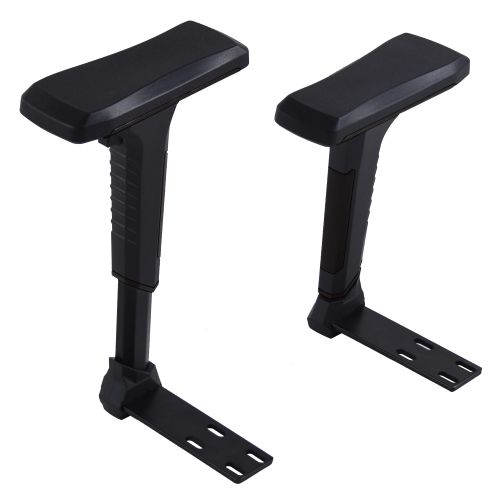
An office chair armrest locking pin is a small mechanical part used to hold an adjustable armrest in place.
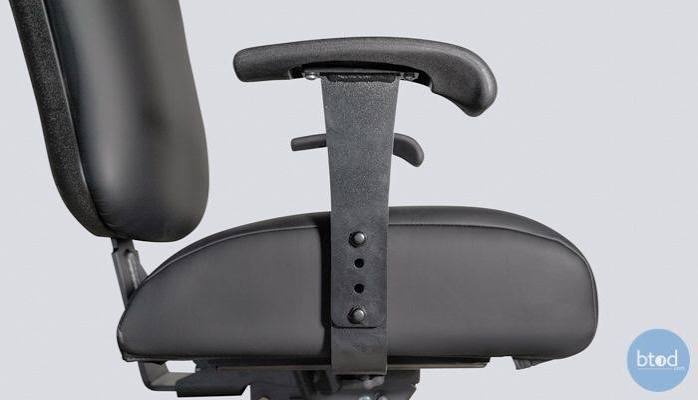
Many office chairs allow the armrest to move vertically, horizontally, or at different angles. A locking pin can engage with holes, slots, or another locking system to prevent unwanted movement.
The exact design varies between office chair models. Some chairs use a metal pin, while others use a spring-loaded pin or a similar locking component.
https://primepathsolutions.co.ke/shop/?product-page=4
What Does an Office Chair Armrest Locking Pin Do?
The main purpose of the locking pin is to keep the armrest securely positioned.
It can help with:
- Locking the armrest at a selected height
- Preventing unwanted armrest movement
- Supporting the armrest adjustment mechanism
- Keeping an adjustable armrest stable
- Improving user comfort
- Maintaining the intended position of the armrest
A damaged pin can affect the entire armrest adjustment system even when the armrest pad itself is still in good condition.
Signs That an Armrest Locking Pin Needs Replacement
Several problems can indicate a damaged or worn locking pin.
1. The Armrest Does Not Lock
If the armrest moves freely after adjustment, the locking pin may not be engaging correctly.
2. The Armrest Slides Down
An armrest that gradually drops under pressure may have a worn or damaged locking component.
3. The Pin Does Not Engage
The pin may fail to enter the correct hole or locking position.
4. The Pin Is Bent
A bent pin may prevent the armrest from locking properly.
5. The Pin Is Missing
If the pin has fallen out, the armrest may no longer stay in its selected position.
6. The Adjustment Mechanism Feels Loose
Excessive movement around the armrest can indicate wear in the locking pin or related components.
7. The Armrest Makes Unusual Clicking Sounds
Repeated clicking, rattling, or metal-on-metal sounds can indicate a loose or damaged locking component.
What Causes an Office Chair Armrest Locking Pin to Fail?
Common causes include:
- Frequent armrest adjustment
- Excessive pressure on the armrest
- Incorrect adjustment
- A bent component
- Wear from long-term use
- Loose mounting hardware
- Damage to the surrounding mechanism
- Corrosion on exposed metal components
- Forcing an armrest into position
The locking pin may not always be the only damaged component. Inspect the surrounding adjustment mechanism before ordering a replacement.
Can an Office Chair Armrest Locking Pin Be Replaced?
Yes, an office chair armrest locking pin can often be replaced if the pin is available as a separate component and the surrounding mechanism is still usable.
However, compatibility is important.
A pin that looks similar may have a different diameter, length, shape, spring arrangement, or locking pattern. Using the wrong component can prevent the armrest from locking correctly.
How to Choose the Right Armrest Locking Pin
Before buying a replacement, check the original component carefully.
Consider:
Pin Diameter
Measure the diameter of the existing pin where possible.
Pin Length
The replacement should be long enough to engage the locking mechanism correctly without interfering with other components.
Pin Shape
Some locking pins have specific heads, grooves, shoulders, or ends designed for a particular mechanism.
Spring Arrangement
If the pin is spring-loaded, check how the spring interacts with the pin.
Armrest Mechanism
The locking pin must work with the existing armrest adjustment mechanism.
Chair Model
If your chair has a model number or manufacturer reference, use it when searching for a replacement.
How to Replace an Office Chair Armrest Locking Pin
Replacement procedures vary depending on the chair design, but the general process is:
Step 1: Identify the Damaged Pin
Inspect the armrest and determine where the locking pin is located.
Step 2: Secure the Chair
Place the chair on a stable surface and prevent it from moving while you work.
Step 3: Release Pressure From the Armrest
Do not force the armrest while removing the locking component.
Step 4: Remove the Retaining Component
Depending on the design, you may need to remove a clip, screw, cover, or other retaining component.
Step 5: Remove the Old Pin
Carefully remove the damaged or worn locking pin.
Step 6: Inspect the Mechanism
Check for damaged holes, cracks, bent components, broken springs, or excessive wear.
Step 7: Install the Replacement
Insert the correct locking pin in the same orientation as the original.
Step 8: Reassemble the Armrest
Secure any clips, covers, screws, or other components removed during the repair.
Step 9: Test the Lock
Adjust the armrest through its available positions and confirm that the locking pin engages securely.
Safety Warning When Replacing an Armrest Locking Pin
Do not use excessive force when removing or installing the pin.
If the armrest contains a spring-loaded mechanism, release tension carefully before disassembly. A spring or small component can move unexpectedly.
After installation, test the armrest without placing your full body weight on it. Confirm that it locks securely before normal use.
If the surrounding mechanism is cracked, severely worn, or unstable, replacing only the locking pin may not solve the problem.
Office Chair Armrest Locking Pin vs Adjustment Lever
These components perform different functions.
| Component | Main Function |
|---|---|
| Armrest locking pin | Physically secures the armrest in position |
| Armrest adjustment lever | Activates the adjustment mechanism |
| Armrest adjustment mechanism | Controls how the armrest moves and locks |
| Armrest support bracket | Provides structural support |
| Armrest pad | Provides the surface for the user’s arm |
The lever may activate the mechanism, while the locking pin provides part of the physical locking action.
Office Chair Armrest Locking Pin vs Backrest Locking Pin
Both components can secure an adjustable chair component, but they are not necessarily interchangeable.
An armrest locking pin is designed for the armrest adjustment system.
A backrest locking pin is designed for the backrest adjustment or support system.
Their dimensions and locking arrangements can be completely different. Always match the replacement to the correct chair component.
Why Is a Properly Working Locking Pin Important?
A functioning locking pin helps maintain a stable armrest position.
This is particularly useful when the chair is used for long periods because repeated armrest movement can become distracting and uncomfortable.
A secure armrest can also reduce unnecessary movement of the adjustment mechanism.
Armrest Locking Pins in Home Office Chairs
Home office chairs may experience frequent daily use.
If multiple people use the same chair, the armrest may also be adjusted regularly. This can increase wear on the locking system over time.
Inspect the armrest if you notice that it no longer stays at the selected height or position.
Armrest Locking Pins in Commercial Offices
Commercial office chairs can experience significantly more frequent use.
Different employees may adjust the same chair throughout the day. This makes reliable adjustment components particularly important.
Replacing a small damaged component can sometimes be more practical than replacing an otherwise usable office chair, depending on the condition of the chair and the availability of compatible spare parts.
How to Maintain an Office Chair Armrest Locking Pin
Good maintenance can reduce unnecessary wear.
Follow these practices:
- Avoid placing excessive weight on the armrests.
- Do not force the armrest into a locked position.
- Keep the adjustment area clean.
- Check for loose hardware.
- Inspect the locking mechanism periodically.
- Replace damaged components promptly.
- Adjust the armrest using the intended control.
Need an Office Chair Armrest Locking Pin in Kenya?
If you need an office chair armrest locking pin in Kenya, contact PrimePath Solutions with clear photos of the existing locking pin and armrest mechanism.
Where possible, provide:
- Office chair model
- Photos of the complete armrest
- Close-up photos of the locking pin
- Pin length
- Pin diameter
- Photos of the adjustment mechanism
- Measurements of the mounting or locking points
These details can help identify a compatible office chair replacement part and reduce the risk of buying an incorrect component.
For customers looking for office chair spare parts in Nairobi or Kenya, confirm compatibility before purchasing. A locking pin should match the existing armrest mechanism in size, shape, and function.
Frequently Asked Questions
What is an office chair armrest locking pin?
An office chair armrest locking pin is a small component that helps secure an adjustable armrest in a selected position.
Why does my office chair armrest keep moving?
The locking pin may be worn, bent, missing, or failing to engage. The surrounding adjustment mechanism may also be damaged.
Can I replace an armrest locking pin myself?
You may be able to replace it if the mechanism is accessible and the correct replacement is available. Follow the chair’s design and work carefully around spring-loaded components.
Are office chair armrest locking pins universal?
No. Locking pins can differ in diameter, length, shape, and locking design. Compatibility should be checked before purchasing.
Can a broken locking pin damage the armrest mechanism?
Continued use of a damaged locking system can place additional stress on surrounding components. Inspect the complete mechanism before continuing to use the chair.
Should I replace the locking pin or the entire armrest?
If the armrest itself is in good condition and the locking component is separately replaceable, replacing the locking pin may be sufficient. If the mechanism or armrest structure is damaged, a larger replacement may be necessary.
Where can I find office chair replacement parts in Kenya?
You can contact PrimePath Solutions with details and photos of your chair component to help identify a suitable office chair replacement part.
Conclusion
An office chair armrest locking pin is a small but important component that helps keep an adjustable armrest securely positioned. When the pin becomes bent, worn, loose, or missing, the armrest may stop locking correctly.
Before purchasing a replacement, check the pin’s dimensions and the design of the armrest adjustment mechanism. If you are unsure about compatibility, provide photos and measurements to a reliable office chair spare parts supplier such as PrimePath Solutions.
For buyers in Kenya, identifying the correct component before purchase can save time, reduce unnecessary replacement costs, and help restore the chair’s adjustment function.
0 Comments