
What Is an Office Chair Backrest Tilt Lock Mechanism?
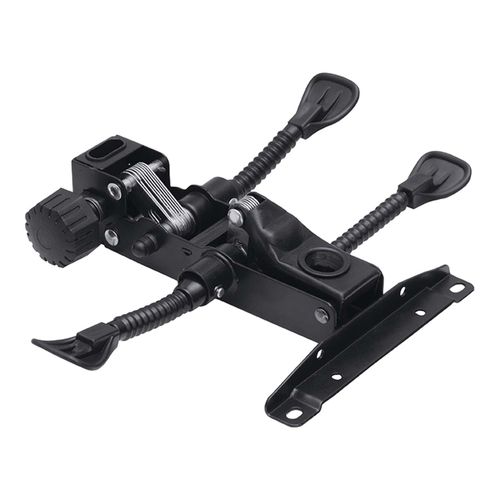
An office chair backrest tilt lock mechanism is a component that controls or locks the backrest at a selected tilt position, depending on the chair’s design.
The mechanism helps prevent unwanted backrest movement when the user has selected a particular position. It may work with a lever, locking pin, ratchet system, or another mechanical arrangement.
When the mechanism becomes worn or damaged, the backrest may recline unexpectedly, fail to lock, or become difficult to adjust.
https://primepathsolutions.co.ke/product/office-chair-mechanism/
What Does an Office Chair Backrest Tilt Lock Mechanism Do?
A backrest tilt lock mechanism can perform several functions.
1. Locks the Backrest Position
The mechanism helps hold the backrest at a selected angle when the chair is designed for locking adjustment.
2. Controls Backrest Movement
It can control how the backrest moves between available positions.
3. Provides Adjustable Seating
The mechanism allows users to select a backrest position that suits their preferred working posture.
4. Prevents Unwanted Movement
A functioning lock reduces unexpected backrest movement during normal use.
5. Works With Other Chair Components
Depending on the chair, the tilt lock can work together with the backrest support, reclining mechanism, seat mechanism, or adjustment lever.
What Are the Signs of a Faulty Tilt Lock Mechanism?
A damaged mechanism can affect the stability and adjustability of the chair.
Common signs include:
- The backrest will not lock.
- The backrest moves backward unexpectedly.
- The backrest slips out of the selected position.
- The locking lever does not work correctly.
- The backrest becomes difficult to adjust.
- The chair makes unusual clicking or grinding sounds.
- The locking position feels weak or inconsistent.
- The mechanism has excessive movement.
- The mechanism has visible damage.
- The backrest remains permanently unlocked.
Before replacing the mechanism, check whether loose bolts or damaged mounting hardware are contributing to the problem.
What Causes an Office Chair Tilt Lock Mechanism to Fail?
Frequent Use
Repeated adjustment and locking can gradually wear mechanical components.
Excessive Force
Pulling the backrest aggressively or forcing the adjustment control can damage the locking system.
Wear and Tear
Mechanical components can become less effective after extended use.
Loose Hardware
Loose mounting bolts can create movement around the mechanism and affect its operation.
Incorrect Installation
A mechanism that is installed incorrectly may not engage or release properly.
Physical Damage
Bent or damaged components may prevent the lock from operating correctly.
What Types of Backrest Tilt Lock Systems Are Used?
Different office chairs use different locking arrangements.
Lever-Controlled Locks
These use a lever to engage or release the locking function.
Ratchet Locks
These provide several predefined backrest positions.
Pin-Based Locks
A locking pin can hold the backrest at selected positions.
Integrated Tilt Systems
Some chairs use a mechanism where the tilt and locking functions are incorporated into one assembly.
Because designs differ, you should not assume that one tilt lock mechanism will fit every office chair.
How Do You Choose the Right Replacement Tilt Lock Mechanism?
Selecting the correct replacement requires careful comparison.
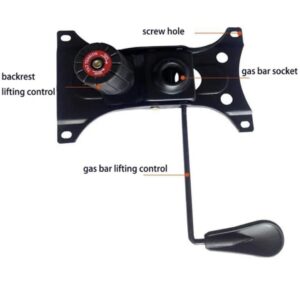
Check the Mounting Holes
Compare the number and position of the mounting holes.
Measure the Mechanism
Check the dimensions of the existing component and available mounting space.
Check the Locking Design
Determine whether the original mechanism uses a lever, pin, ratchet, or integrated system.
Check the Control Position
If the mechanism uses a lever or handle, compare its position with the existing chair.
Check the Backrest Connection
Make sure the replacement is compatible with the way the backrest connects to the chair.
Check the Chair Model
If your chair has a model number or identifiable design, use that information when sourcing the replacement.
Can You Replace an Office Chair Tilt Lock Mechanism?
Yes, a faulty office chair backrest tilt lock mechanism can often be replaced if a compatible component is available.
Replacement is particularly practical when the rest of the chair remains structurally sound.
However, compatibility is essential. A mechanism that looks similar may still have different mounting points, dimensions, or locking functions.
How Do You Replace a Backrest Tilt Lock Mechanism?
The exact procedure varies by chair design.
Step 1: Stabilize the Chair
Place the chair on a stable surface before starting the repair.
Step 2: Identify the Locking Mechanism
Locate the mechanism controlling the backrest tilt and locking function.
Step 3: Inspect the Mounting Hardware
Check the bolts, screws, brackets, and surrounding connections for damage or looseness.
Step 4: Support the Backrest
Support the backrest before removing the mechanism so it does not move unexpectedly.
Step 5: Remove the Old Mechanism
Carefully remove the fasteners securing the damaged mechanism.
Step 6: Compare the Replacement
Check the mounting holes, dimensions, control position, and locking arrangement.
Step 7: Install the Replacement
Position the mechanism correctly and secure it using the appropriate hardware.
Step 8: Test the Lock
Move the backrest through its available adjustment positions. Engage the lock and confirm that the backrest remains securely positioned.
Do not force the mechanism into place if the mounting points do not align.
Backrest Tilt Lock Mechanism vs Reclining Mechanism
These components can be related but are not always the same.
A backrest tilt lock mechanism controls or locks the backrest at selected positions.
A reclining mechanism controls the reclining movement of the chair or backrest.
Some office chairs combine both functions into one mechanism, while others use separate components.
Backrest Tilt Lock Mechanism vs Tilt Tension Control
A tilt lock and tension control perform different functions.
The tilt lock mechanism controls whether movement can be locked or restricted.
The tilt tension control adjusts the resistance experienced when reclining or tilting, depending on the chair design.
A chair may have both components.
Why Is a Backrest Tilt Lock Important?
A functioning tilt lock gives the user better control over the backrest position.
Without a working lock, the backrest may move unexpectedly and make the chair less comfortable to use.
For office chairs used for extended periods, maintaining functional adjustment and locking components can help keep the workstation practical.
Should You Repair or Replace the Tilt Lock Mechanism?
Repair may be suitable when the problem comes from a loose fastener or simple mounting issue.
Replacement may be more appropriate when:
- The locking component is damaged.
- The mechanism is cracked or bent.
- The backrest will not lock.
- The mechanism has excessive wear.
- The control no longer operates correctly.
- The mechanism cannot reliably hold the selected position.
Inspect the complete backrest assembly before deciding which component needs replacement.
Backrest Tilt Lock Mechanisms for Home Office Chairs
Home office chairs can receive frequent daily use. A faulty tilt lock can make it difficult to maintain a preferred backrest position while working.
If the chair is otherwise in good condition, replacing the damaged locking mechanism may restore its adjustment functionality without replacing the entire chair.
Backrest Tilt Lock Mechanisms for Commercial Offices
Commercial office chairs can experience repeated adjustment throughout the working day.
When a tilt lock fails, businesses may be able to replace the individual component rather than dispose of an otherwise usable chair.
This can be particularly useful when maintaining multiple office workstations.
How Do You Maintain a Backrest Tilt Lock Mechanism?
Good maintenance can reduce unnecessary mechanical stress.
- Do not force the adjustment lever.
- Avoid pushing the backrest beyond its intended range.
- Check mounting bolts periodically.
- Inspect the mechanism when the backrest starts slipping.
- Address unusual noises early.
- Keep the mechanism free from obstructions.
- Replace severely damaged components.
Regular inspection can help identify problems before the mechanism becomes completely unusable.
Where Can You Find Office Chair Tilt Lock Mechanisms in Kenya?
If you need an office chair backrest tilt lock mechanism in Kenya, PrimePath Solutions can assist with office furniture replacement and maintenance requirements.
Before purchasing, compare the existing mechanism’s mounting holes, dimensions, connection points, control arrangement, and locking design with the replacement.
Providing clear details about your office chair can also make it easier to identify a compatible replacement part.
PrimePath Solutions provides office furniture solutions for businesses and individuals looking to maintain practical and functional workspaces.
Frequently Asked Questions
What is an office chair backrest tilt lock mechanism?
It is a component that controls or locks the backrest at selected tilt positions, depending on the design of the chair.
Why won’t my office chair backrest lock?
The problem may be caused by a worn locking mechanism, loose hardware, damaged mounting points, or another component within the adjustment assembly.
Can a tilt lock mechanism be replaced?
Yes. Many office chair tilt lock mechanisms can be replaced when a compatible component is available.
Is a tilt lock the same as a reclining mechanism?
No. A tilt lock controls or restricts locking of the backrest, while a reclining mechanism controls reclining movement. Some chairs combine these functions.
Is a tilt lock the same as tension control?
No. Tilt lock controls locking or restriction of movement, while tension control adjusts resistance during tilting or reclining where provided.
Are office chair tilt lock mechanisms universal?
No. Chair designs vary, so mounting points, dimensions, controls, and locking systems should be checked before purchasing.
Can loose bolts cause a backrest to move?
Yes. Loose mounting hardware can cause unwanted movement and may sometimes be mistaken for a failed tilt lock mechanism.
Can I replace the tilt lock mechanism myself?
Some mechanisms can be replaced with basic tools, but the procedure depends on the chair’s construction. If the backrest or mounting structure is damaged, professional assistance may be appropriate.
Should I replace the entire office chair if the tilt lock fails?
Not necessarily. If the chair frame and other major components remain usable, replacing the failed mechanism may restore the chair’s functionality.
0 Comments