
What Is Office Chair Tension Control?
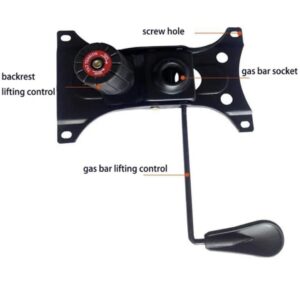
Office chair tension control is the adjustment system that controls how much resistance you feel when leaning backward in an office chair. It is usually operated by a knob underneath the seat.
The tension control works with the chair’s tilt mechanism. Turning the control changes how easily the chair reclines or tilts backward.
A properly adjusted tension control allows users to find a comfortable level of resistance based on their body weight and preferred sitting position.
https://primepathsolutions.co.ke/product/office-chair-mechanism/
What Does Office Chair Tension Control Do?
The tension control has several important functions.
1. Controls Tilting Resistance
The main purpose is to control how much force is required to tilt the chair backward.
2. Supports Different Users
People have different body weights and sitting preferences. Tension adjustment allows the chair to be configured accordingly.
3. Improves Reclining Comfort
Correct tension makes it easier to lean backward without the chair moving too quickly or requiring excessive force.
4. Works With the Tilt Mechanism
The tension control is normally part of or connected to the chair’s tilt mechanism. It regulates the resistance of the tilting action.
How Does Office Chair Tension Control Work?
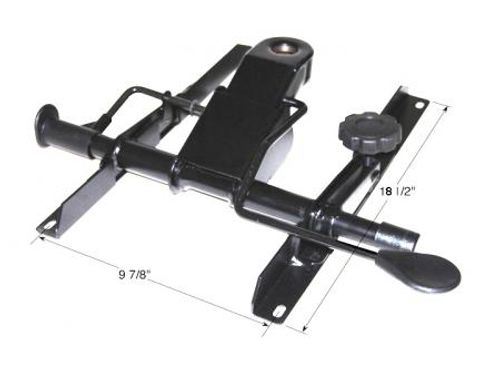
Most office chairs use a tension knob connected to a spring or mechanical adjustment system.
When the tension is increased, the chair generally requires more force to tilt backward.
When the tension is reduced, the chair generally tilts more easily.
The exact direction of adjustment can vary between chair models, so check the markings or instructions provided with the chair where available.
How Do You Adjust Office Chair Tension?
Adjusting office chair tension is usually simple.
Follow these steps:
- Sit in the chair.
- Locate the tension control knob underneath the seat.
- Turn the knob gradually.
- Test the chair by leaning backward.
- Continue adjusting until the resistance feels comfortable.
- Avoid making large adjustments at once.
The goal is to find a setting that provides controlled movement without requiring excessive force.
How Do You Know If Office Chair Tension Is Too Tight?
If the tension is too tight, you may notice:
- The chair is difficult to tilt backward.
- You need to apply significant force to recline.
- The backrest quickly returns to an upright position.
- Reclining feels uncomfortable.
- The chair does not provide enough movement.
Reducing the tension may make the chair easier to tilt.
How Do You Know If Office Chair Tension Is Too Loose?
If the tension is too loose, you may notice:
- The chair tilts backward too easily.
- The backrest moves unexpectedly.
- You feel insufficient resistance when reclining.
- The chair may feel unstable during movement.
- You need to constantly adjust your position.
Increasing the tension may provide more controlled movement.
Signs of a Faulty Office Chair Tension Control
Sometimes adjustment does not solve the problem. The tension mechanism may be damaged or worn.
Common signs include:
- The tension knob spins without changing resistance.
- The knob is difficult to turn.
- The chair remains too loose after adjustment.
- The chair remains too stiff after adjustment.
- The tension control makes unusual noises.
- The adjustment mechanism appears damaged.
- The chair’s tilt resistance changes unexpectedly.
- The tension mechanism does not respond to adjustments.
If these symptoms occur, inspect the complete tilt mechanism.
What Causes Office Chair Tension Control Problems?
Several issues can affect tension control.
Wear and Tear
Repeated adjustment and daily use can eventually wear mechanical components.
Damaged Spring
The tension system may rely on a spring to provide resistance. A damaged or worn spring can affect performance.
Broken Adjustment Components
The knob, shaft or internal mechanism may become damaged.
Loose Hardware
Loose components underneath the seat can affect how the tension system operates.
Incorrect Installation
A replacement mechanism that is incorrectly installed may not provide proper tension adjustment.
Is Office Chair Tension Control the Same as Tilt Lock?
No.
Tension control adjusts how much resistance the chair provides when tilting.
Tilt lock controls whether the chair can tilt or remain locked in a particular position.
Many office chairs have both controls because they perform different functions.
For example, you may unlock the chair’s tilt function and then adjust the tension to control how easily it reclines.
Can Office Chair Tension Control Be Replaced?
Yes, but replacement depends on the chair design.
Some chairs use a separate tension adjustment component, while others integrate the tension control into the complete tilt mechanism.
If the internal tension system is damaged, replacing the entire chair mechanism may be more practical than replacing an individual internal component.
How Do You Choose a Replacement Office Chair Tension Mechanism?
Before purchasing a replacement, check:
Chair Model
Identify the manufacturer and model if possible.
Mechanism Type
Determine whether the chair uses a basic tilt mechanism, multifunction mechanism or another design.
Mounting Hole Pattern
Measure the distance between the mounting holes underneath the seat.
Dimensions
Compare the size and shape of the existing mechanism with the replacement.
Lever and Knob Configuration
Check the location and design of the adjustment controls.
Chair Functions
Make sure the replacement supports the functions required by the chair.
Office Chair Tension Control and Ergonomics
Tension adjustment can contribute to a more comfortable working position.
A suitable setting allows you to:
- Recline without excessive effort
- Maintain controlled movement
- Change sitting positions during the day
- Reduce unnecessary strain caused by fighting against the chair
- Use the chair’s tilt function more effectively
However, tension adjustment alone does not make a chair ergonomic. Seat height, back support, lumbar support and overall chair fit also matter.
Office Chair Tension Control for Home Offices
Home office chairs may be used for several hours each day. Proper tension adjustment allows users to switch between upright work and relaxed positions.
If the tension mechanism stops working, replacing the relevant component can restore the chair without requiring a completely new chair.
Office Chair Tension Control for Commercial Offices
Businesses with many office chairs can benefit from maintaining adjustment mechanisms.
Regular inspection can help identify:
- Loose components
- Damaged knobs
- Worn mechanisms
- Incorrect tension settings
- Other chair adjustment problems
Replacing individual components where practical can help extend the service life of office furniture.
How to Maintain Office Chair Tension Control
Follow these maintenance practices:
- Avoid forcing the tension knob.
- Make small adjustments rather than turning it aggressively.
- Check the mechanism underneath the seat.
- Tighten loose mounting hardware.
- Avoid exceeding the chair’s recommended weight capacity.
- Inspect the chair when unusual movement develops.
- Replace damaged components when necessary.
Do not continue using a chair if the mechanism becomes severely damaged or unstable.
Buy Office Chair Tension Control Parts in Kenya
If you are looking for office chair tension control parts in Kenya, compatibility should be confirmed before purchasing.
PrimePath Solutions provides office furniture products and replacement components for office chair repair and maintenance.
For a replacement part, provide the chair model, photographs of the existing mechanism or measurements of the mounting points. This can help identify a suitable component.
Frequently Asked Questions
What is office chair tension control?
Office chair tension control is the adjustment system that controls the resistance experienced when leaning or tilting backward in an office chair.
Which way should I turn the office chair tension knob?
The correct direction depends on the chair. Generally, one direction increases resistance while the opposite direction decreases it. Adjust gradually and test the chair after each adjustment.
Why is my office chair difficult to recline?
The tension may be set too high, or the tilt mechanism may be worn or damaged. Reduce the tension first and inspect the mechanism if the problem continues.
Why does my office chair recline too easily?
The tension setting may be too low. Increase the tension gradually. If there is no change, the tension mechanism may be damaged.
Can a broken tension knob be replaced?
In some chair designs, individual components can be replaced. In others, the tension control is integrated into the complete mechanism.
Is tension control important on an office chair?
Yes. It allows users to control the resistance of the chair’s tilting movement and adjust the chair to their preferred sitting style.
Does tension control adjust chair height?
No. Chair height is normally controlled by the gas lift. Tension control adjusts resistance during tilting or reclining.
Can office chair tension mechanisms be universal?
Not all mechanisms are universal. Mounting dimensions, chair design, adjustment functions and mechanism configuration must be checked before purchasing a replacement.
0 Comments