
What Is an Office Chair Armrest Sliding Rail?
An office chair armrest sliding rail is a mechanical track that guides an adjustable armrest through a controlled range of movement.
Some office chairs allow the armrest pad to move forward and backward. Others allow sideways movement or multiple adjustment directions.
The sliding rail provides the path along which the moving section travels.
Depending on the chair design, the system may include:
- Sliding rail
- Guide track
- Sliding carriage
- Rollers
- Bushings
- Locking pin
- Adjustment button or lever
- Retaining clips
- Mounting screws
The exact configuration depends on the chair model.
https://primepathsolutions.co.ke/office-chair-armrest-locking-pin/
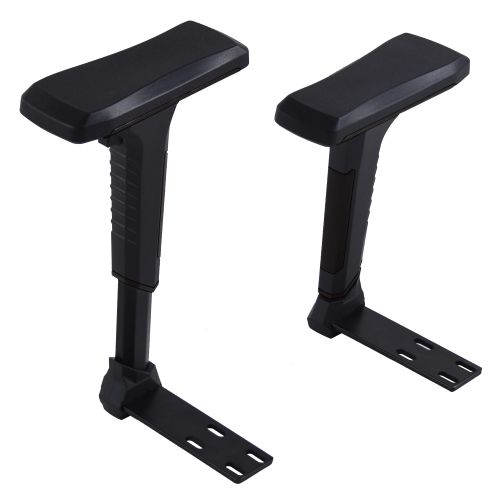
What Does an Armrest Sliding Rail Do?
The main purpose of the rail is to guide armrest movement.
It can help:
- Allow forward and backward adjustment
- Guide horizontal movement
- Keep the armrest aligned
- Limit movement to a defined path
- Support smooth adjustment
- Work with the armrest locking mechanism
- Maintain consistent positioning
A properly functioning rail should allow the armrest to move without excessive resistance, wobbling, or unwanted movement.
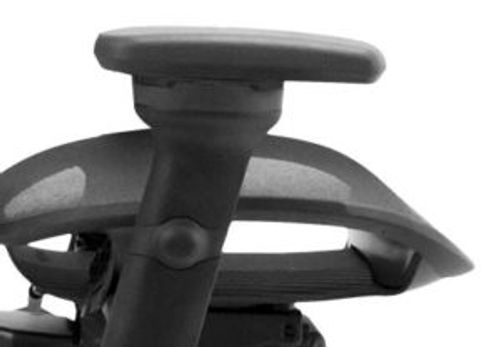
Signs of a Damaged Armrest Sliding Rail
A damaged rail can affect the way the entire armrest operates.
1. The Armrest Does Not Slide Smoothly
Sticking or uneven movement may indicate damage, contamination, misalignment, or wear.
2. The Armrest Feels Loose
Excessive play can develop when the rail, carriage, bushing, or related components become worn.
3. The Armrest Gets Stuck
A damaged track can prevent the moving section from reaching its intended positions.
4. The Armrest Moves Unevenly
If one side moves differently from the other, the rail or mounting structure may be misaligned.
5. The Rail Is Bent
A bent metal rail can prevent smooth movement and may damage the sliding components.
6. The Rail Has Cracks or Breakage
Visible structural damage is a clear reason to inspect the component before continuing normal use.
7. The Armrest Will Not Stay in Position
The rail itself may be fine, while the locking pin, adjustment button, lever, or internal locking mechanism may be responsible.
What Causes an Office Chair Armrest Sliding Rail to Fail?
Common causes include:
- Frequent adjustment
- Long-term use
- Excessive pressure
- Misalignment
- Loose mounting screws
- Dirt or debris
- Bent rails
- Worn bushings
- Damaged rollers
- Excessive force during adjustment
- Impact damage
Leaning heavily on a movable armrest can also put additional stress on the rail assembly.
Can an Office Chair Armrest Sliding Rail Be Replaced?
Yes, depending on the chair design.
Some chairs use replaceable rails or sliding assemblies. Others integrate the rail into the complete armrest or support structure.
If only a roller, bushing, screw, or guide component is damaged, replacing that individual part may be enough.
If the rail itself is bent, cracked, or severely worn, replacing the rail assembly may be more appropriate.
How to Choose the Correct Armrest Sliding Rail
Compatibility is critical because rail systems can differ significantly.
Check the Rail Length
Measure the overall length of the rail and the usable travel distance.
Check the Rail Width
Measure the width of the track and the corresponding sliding component.
Check the Mounting Holes
Record the number, position, and spacing of mounting holes.
Check the Sliding Mechanism
Determine whether the armrest uses rollers, bushings, a carriage, or another guide system.
Check the Adjustment Range
The replacement should provide the movement range required by the chair.
Check the Locking System
Some sliding rails work with a locking pin, lever, button, or friction mechanism.
Check the Chair Model
A chair model or manufacturer reference can help identify the correct assembly.
How to Replace an Office Chair Armrest Sliding Rail
Replacement procedures vary, but these general steps provide a starting point.
Step 1: Secure the Chair
Place the chair on a stable surface and prevent it from moving.
Step 2: Examine the Armrest
Identify the rail, carriage, mounting screws, and locking components.
Step 3: Move the Armrest to an Accessible Position
If possible, position the armrest where the mounting hardware is easy to reach.
Step 4: Remove the Retaining Hardware
Carefully remove screws, clips, bolts, or other retaining components.
Step 5: Support the Armrest
Hold the armrest securely while removing the rail assembly.
Step 6: Remove the Damaged Rail
Slide or detach the rail according to its construction.
Step 7: Inspect Related Components
Check the carriage, rollers, bushings, locking pin, and mounting points for damage.
Step 8: Install the Replacement Rail
Position the new rail correctly and align the mounting holes.
Step 9: Secure the Rail
Tighten the appropriate mounting hardware without overtightening or damaging the rail.
Step 10: Test the Sliding Movement
Move the armrest through its complete intended range.
Step 11: Test the Locking Function
Make sure the armrest locks securely where the chair is designed to lock.
Safety Warning
Do not use an armrest if its sliding rail is cracked, severely bent, or unstable.
A damaged rail can allow unexpected movement and may place additional stress on the armrest support.
Do not drill new mounting holes or modify the rail simply to make an incompatible replacement fit.
If the rail is under spring tension or connected to a complicated locking mechanism, take appropriate precautions during disassembly.
Office Chair Armrest Sliding Rail vs Pivot Joint
These components provide different types of movement.
| Component | Main Function |
|---|---|
| Sliding rail | Guides linear armrest movement |
| Pivot joint | Allows rotational or tilting movement |
| Adjustment mechanism | Controls adjustment and locking |
| Locking pin | Secures a selected position |
| Support bracket | Provides structural support |
A chair can use both a sliding rail and a pivot joint if it provides multiple adjustment directions.
Office Chair Armrest Sliding Rail vs Adjustment Mechanism
A sliding rail provides the physical path for movement.
The adjustment mechanism controls how the armrest moves and, depending on the design, how it locks.
For example, pressing an adjustment button may release the locking mechanism, allowing the armrest to slide along the rail.
Why Is a Properly Working Sliding Rail Important?
A functioning rail helps the armrest move predictably and smoothly.
If the rail becomes damaged, users may compensate by applying additional force. This can place stress on the armrest support and other adjustment components.
Maintaining the rail can therefore help preserve the operation of the complete armrest assembly.
Armrest Sliding Rails in Home Office Chairs
Adjustable armrests can help home office users position their arms comfortably relative to the desk.
If the sliding system becomes stiff or loose, inspect the rail and guide components before forcing the armrest.
Regular inspection can help identify small problems before they develop into larger mechanical damage.
Armrest Sliding Rails in Commercial Offices
Commercial office chairs can experience frequent armrest adjustments.
Different users may also apply different amounts of force when moving the armrest.
A worn sliding rail can affect the consistency of the adjustment system and make the chair less convenient to use.
For offices maintaining multiple chairs, replaceable rail components can provide a practical maintenance option when the rest of the chair remains usable.
How to Maintain an Office Chair Armrest Sliding Rail
Proper use can help reduce unnecessary wear.
- Do not force the armrest along the rail.
- Avoid placing excessive weight on movable armrests.
- Keep the rail area reasonably clean.
- Check for loose mounting screws.
- Inspect rollers and bushings when movement becomes rough.
- Do not modify the rail.
- Address unusual resistance early.
- Replace severely damaged components promptly.
Need an Office Chair Armrest Sliding Rail in Kenya?
If you need an office chair armrest sliding rail in Kenya, contact PrimePath Solutions with clear photos and measurements of the existing rail and armrest assembly.
Useful information includes:
- Office chair model
- Rail length
- Rail width
- Mounting-hole spacing
- Number of mounting holes
- Sliding travel distance
- Photos of the rail
- Photos of the carriage or guide
- Photos of the complete armrest
Providing these details can help identify a compatible office chair replacement part and reduce the risk of purchasing the wrong rail.
For customers searching for office chair spare parts in Nairobi or Kenya, confirm the rail dimensions and mounting arrangement before purchasing.
Frequently Asked Questions
What is an office chair armrest sliding rail?
It is a track or guide that allows an adjustable armrest to move along a controlled path, commonly forward and backward.
Why is my office chair armrest difficult to slide?
Possible causes include dirt, misalignment, a bent rail, worn bushings, damaged rollers, loose hardware, or a problem with the locking mechanism.
Can I replace an office chair armrest sliding rail?
Yes, if the chair uses a replaceable rail or sliding assembly. Some chairs require replacement of a larger armrest assembly.
How do I know if the rail is damaged?
Look for bending, cracks, excessive looseness, uneven movement, unusual resistance, or visible damage around the mounting points.
Is an armrest sliding rail the same as a pivot joint?
No. A sliding rail guides linear movement, while a pivot joint allows rotational or tilting movement.
Why does my armrest slide but not lock?
The rail may be functioning correctly while the locking pin, adjustment button, lever, spring, or internal mechanism is damaged.
Are office chair sliding rails universal?
No. Rail dimensions, mounting holes, travel distance, and guide systems vary between chair models.
Where can I find office chair sliding rails in Kenya?
PrimePath Solutions can help identify suitable office chair replacement components using the chair model, photographs, and measurements.
Conclusion
An office chair armrest sliding rail provides the controlled track that allows an adjustable armrest to move through its intended range. A damaged, bent, worn, or misaligned rail can cause sticking, wobbling, uneven movement, or difficulty adjusting the armrest.
Before replacing the rail, inspect the complete sliding assembly, including mounting hardware, rollers, bushings, carriage, and locking components. Matching the rail dimensions and mounting arrangement is essential for proper compatibility.
For customers in Kenya, providing PrimePath Solutions with clear photos, measurements, and chair details can help identify the appropriate office chair replacement component.
0 Comments